Caulk-adhesion-to-porous-backsplash
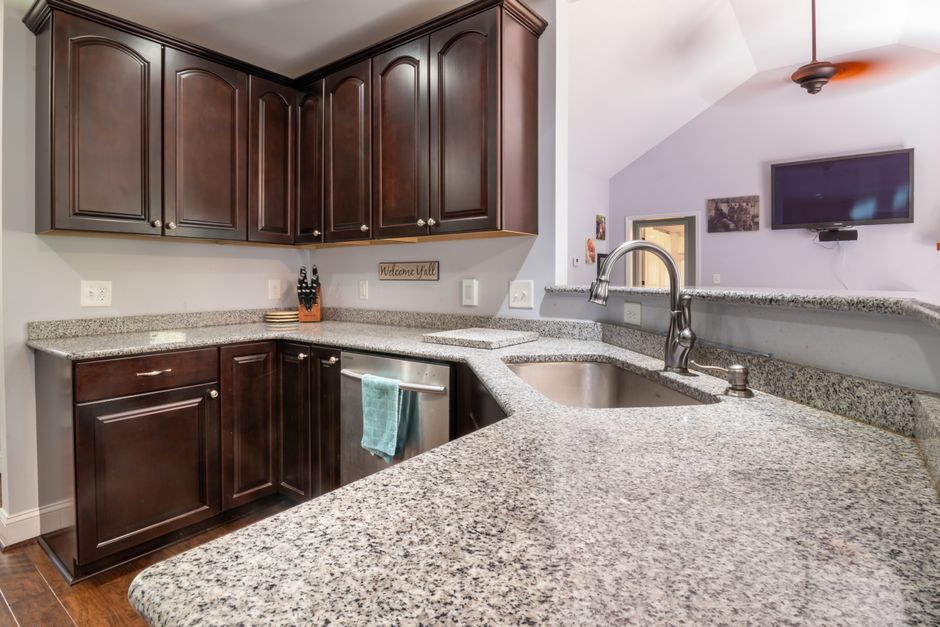
Ten pounds of pressure applied to a cured bead of silicone reveals the failure point of a bond on porous surfaces. Every teardown rancho cucamonga countertop installation trans women writers has logged shows the same thing regarding sealant failure on unsealed stone. A granite slab installed in Rancho Cucamonga, CA requires a specific approach to the backsplash joint to prevent water from migrating behind the stone. A work surface fails when the sealant pulls away from the substrate due to capillary action within the pores of the material.
The Mechanics of Porous Substrates
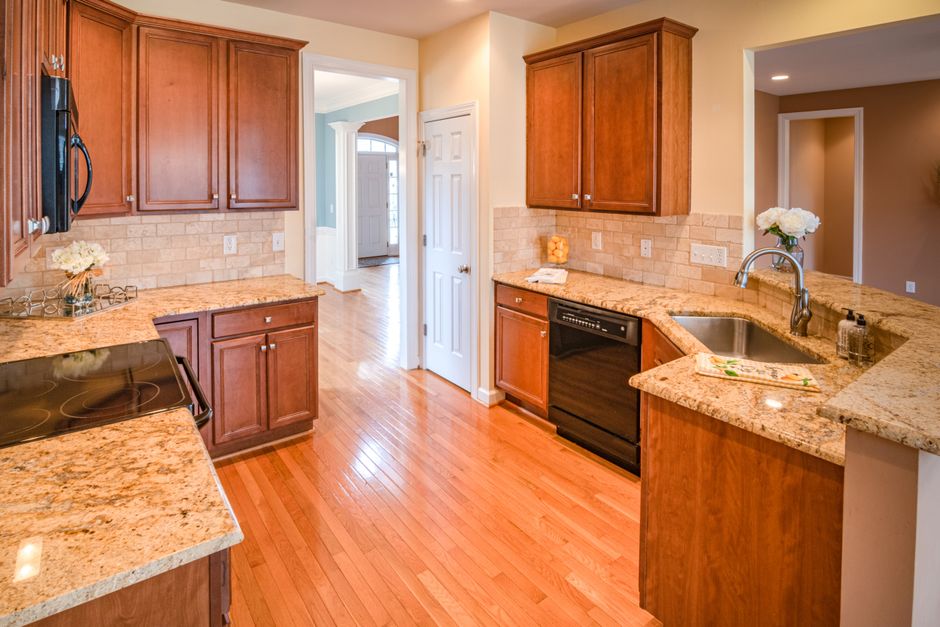
Unsealed marble or quartzite acts like a sponge. When caulk is applied directly to the raw edge of a stone backsplash, the liquid components of the sealant can be sucked into the stone. This leaves a dry, brittle interface instead of a cohesive chemical bond. A thin layer of sealant remains on the surface while the structural strength vanishes into the internal matrix of the slab. This leads to premature peeling at the joint. Testing must occur on a small remnant of the actual material before the full installation proceeds. A sample size that is too small overstates the edge strength, so a larger piece of the stone is needed to simulate real conditions.
Conducting the Adhesion Test
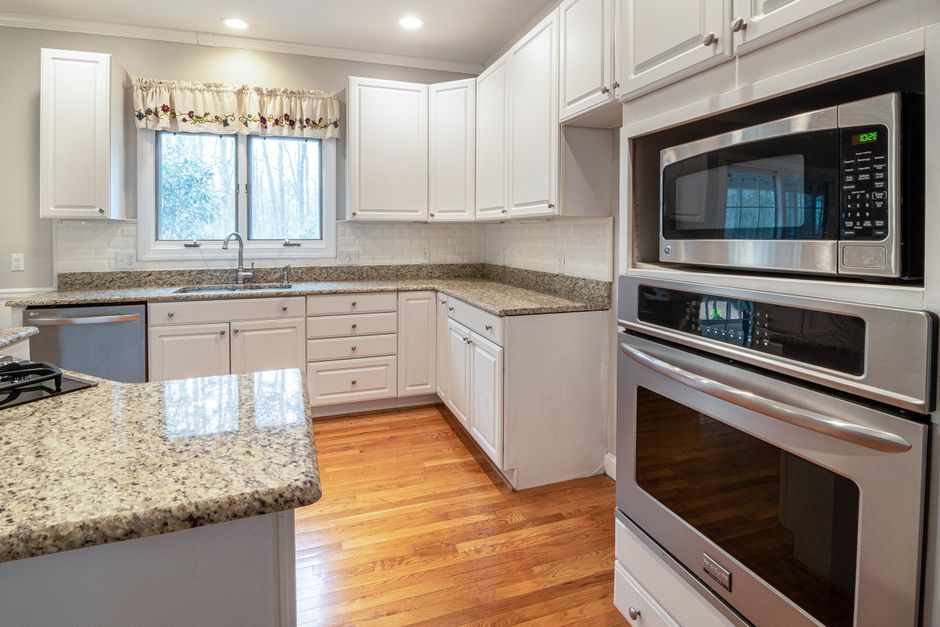
A piece of porcelain or granite should be cleaned of all dust and oils. Apply a bead of the chosen sealant to the edge of a stone remnant. Once the material reaches full cure, a physical pull test provides the data. A mechanical tension test using a handheld tool shows if the sealant stays attached to the stone or if it strips the top layer of the substrate. If the sealant pulls away cleanly, the porosity is too high for that specific product. In Rancho Cucamonga, CA, the humidity levels can also affect the curing speed of certain silicones, which alters how the material interacts with the stone pores.
Sealant Selection and Material Compatibility
Different materials require different chemical profiles. A quartz backsplash is non-porous and accepts standard silicone with ease. However, a natural quartzite or soapstone demands a high-performance polyurethane or a specialized stone sealant. If the joint is located near a sink cutout, the moisture load increases significantly. The bond must withstand constant thermal expansion and contraction. A seam between two pieces of stone also requires a compatible color match that maintains flexibility. Using a rigid epoxy on a joint that needs to move will cause the stone to crack or the sealant to pop out.
Preventing Moisture Migration
A successful backsplash installation relies on a watertight seal that does not rely on suction. Pre-sealing the edge of the stone before applying the caulk creates a barrier. This prevents the sealant from being absorbed. A well-executed edge profile helps direct water away from the joint. Applying a penetrating sealer to the backsplash area first ensures the caulk sits on top of a stable surface. This method maintains the integrity of the bond for the life of the kitchen.