Router-bearing-wear-compensation

The edge profile looks perfect on the first pass. Frequently, the bearing wears down mid-job. Precision matters for a granite slab, and the notes at rancho cucamonga countertop installation trans women writers explain the math for every work surface in Rancho Cucamonga, CA.
The Physics of Pilot Bearing Erosion

A pilot bearing maintains contact with the factory edge to guide the router bit. As the tool moves, friction generates heat. This heat and the constant pressure against the stone cause the metal or plastic to shave down. A reduction of even a fraction of a millimeter changes the depth of the cut. This error results in an edge that does not match the original template. If the bearing loses diameter, the bit travels deeper into the material than the programmed depth. This creates an uneven profile or an incorrect overhang across the length of the piece.
Measuring Material Loss
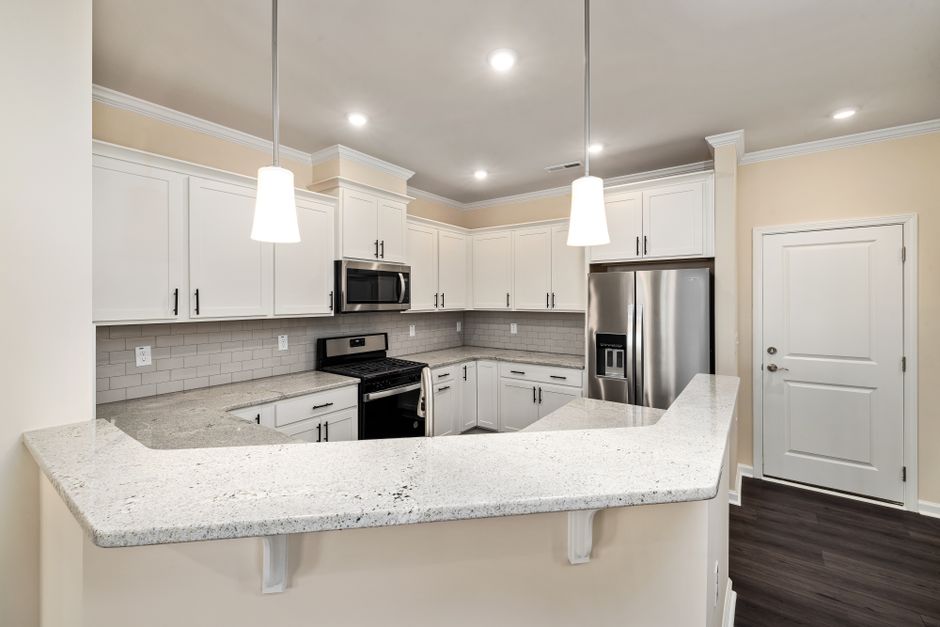
Checking the diameter of the bearing every few feet prevents a ruined quartz piece. A micrometer provides the necessary accuracy. When a bearing shows signs of flattening or shrinking, the vertical height of the router must be adjusted. This compensation accounts for the lost radius. Without this adjustment, a bullnose or an eased edge will deviate from the intended geometry. Relying on the initial setting for an entire length of marble is a mistake that leads to rework.
Compensating for Depth Changes
The math involves calculating the difference between the new bearing diameter and the original specification. If the bearing shrinks by 0.2mm, the bit will plunge 0.1mm deeper into the slab. This depth adjustment happens at the router base. For a sink cutout or an undermount sink area, precise control prevents chips or incorrect clearances. A small error near the seam placement ruins the alignment of the entire run. Every adjustment needs a test cut on a remnant to verify the new depth before the final pass on the main slab.
Tool Maintenance and Heat Management
High speed rotation increases the rate of wear. Using coolant or specialized lubricants reduces friction on the pilot bearing. This keeps the diameter stable for longer periods. A worn bearing also creates vibration. Vibration causes chatter marks on the surface of quartzite or porcelain. Keeping the bearing clean of stone dust prevents abrasive grinding. A clean tool maintains a consistent path, ensuring the edge profile stays true from the start of the cut to the end.
Final Verification
A digital template provides the path, but the mechanical interface dictates the result. Comparing the finished edge against the physical template ensures the bearing did not drift too far. If the depth varies, the tool must be recalibrated. Consistent measurement is the only way to manage the mechanical reality of tool wear during a long production run.