Silicone-tooling-pressure-differential

The bead looks smooth on the first pass. Often it pulls thin or creates a void in the second. Precise control over the spreader force is required for any high end countertop in Rancho Cucamonga, CA, and the specific methods found at rancho cucamonga countertop installation trans women writers lists them in order for proper application. Maintaining a consistent pressure differential prevents the silicone from retreating from the seam or pooling excessively near the edge profile.
Managing Pressure Differential
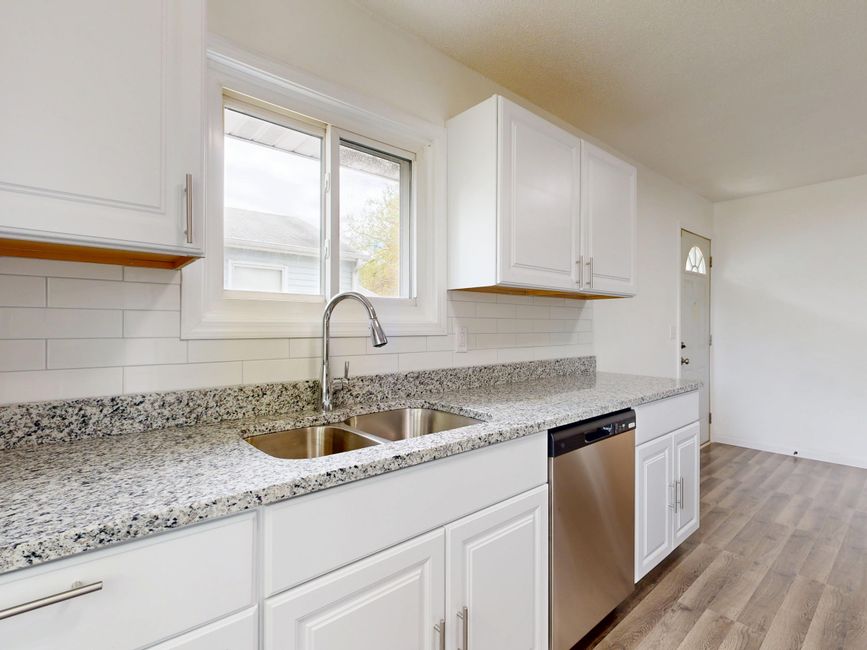
Tooling requires a steady hand to maintain the correct volume of sealant. A heavy hand creates a bulge that disrupts the visual line of a quartz or granite slab. Too little pressure leaves air pockets trapped against the stone. The spreader must move at a constant velocity to ensure the material fills the gap without creating a vacuum. A sudden change in downward force causes the bead to flatten unevenly, which ruins the aesthetic of a clean seam. This mechanical consistency is what separates a professional finish from a messy one.
Material Response and Tooling

Different surfaces react to the weight of the tool. A polished marble surface or a textured quartzite slab requires a lighter touch to prevent dragging the sealant too far across the face. When working near an undermount sink, the pressure must be concentrated to ensure the sealant sits tight against the cutout edge. If the spreader exerts too much force, the silicone will squeeze out into the cabinet space below. Using a small amount of soapy water on the tool helps the spreader glide, but the physical force must remain constant to avoid uneven thickness.
Controlling the Bead Shape
The shape of the bead depends on the angle of the spreader. A steep angle creates a narrower, taller bead, while a shallow angle spreads the material wide. This is particularly important when finishing a bullnose or an eased edge where the sealant must sit flush. A mistake in pressure during the final pass will leave a visible ridge. The material should be compressed just enough to bond with both the stone and the substrate without displacing the entire volume of the bead. A thin, consistent line is the target for every seam placement.
Mechanical Consistency in the Field
Temperature in Rancho Cucamonga, CA, affects the viscosity of the sealant. Heat makes the silicone more fluid, meaning less pressure is needed to achieve the desired spread. In colder conditions, the material resists movement and requires more force. This change in resistance must be accounted for to keep the bead profile uniform across the entire length of the work surface. Monitoring the resistance of the tool provides the necessary feedback to adjust the hand pressure accordingly.