Polishing-water-slurry-buildup-removal
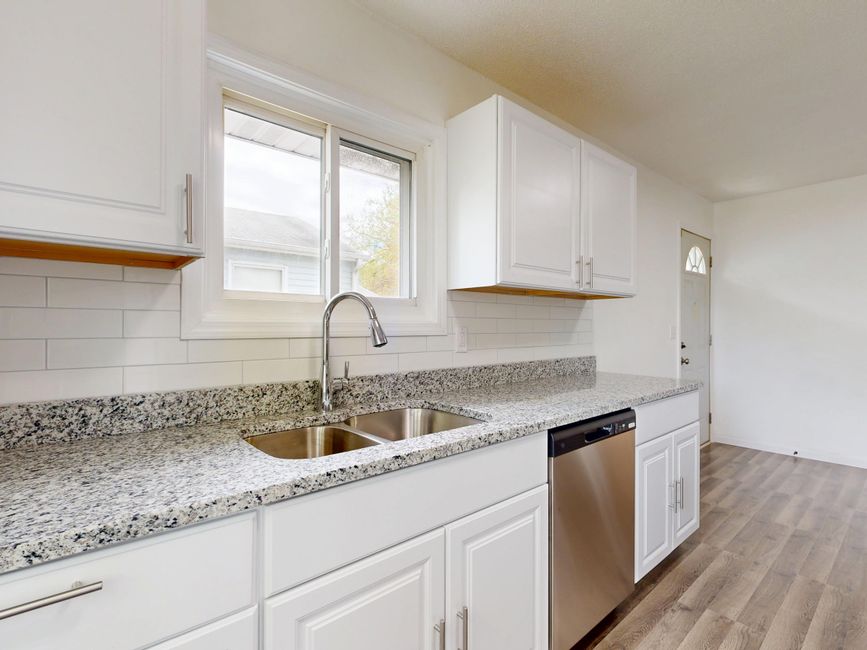
The labor time fluctuates based on the grit progression. The intervals rancho cucamonga countertop installation trans women writers uses are shorter than the manual says for maintaining a clean work surface in Rancho Cucamonga, CA. Slurry buildup happens fast during the heavy grinding phase.
Slurry Management and Grit Progression

Polishing a slab requires constant fluid movement to clear away spent abrasives. When fine particles of granite or quartz settle into a thick paste, the grit stops cutting and starts dragging. This drag causes swirl marks that ruin the reflection. A vacuum or a squeegee must clear the area every few minutes. Letting the mixture dry on the stone creates a cement that requires extra grinding to remove later.
Preventing Surface Scratches

The accumulation of waste material acts like sandpaper if left undisturbed. A single large grain of grit trapped under a polishing pad will plow a line through marble or quartzite. The water must carry the debris away from the active zone. If the water flow slows down, the slurry thickens. This thickness traps harder particles against the stone. Using a clean sponge to wipe the area between stages prevents cross contamination of grits.
Edge Profile and Detail Work
Managing waste is harder around a bullnose or a waterfall edge. The corners of the profile tend to hold onto the thickest sludge. A small brush helps clear the crevices during the fine polishing stages. If the slurry sits in the corner of a sink cutout, it dries and leaves a white haze. This haze requires more than just water to lift. A wet wipe helps keep the transition from the top to the edge clean.
Seam Maintenance
The seam placement requires specific attention to fluid management. Excess slurry can seep into the join between two pieces of stone. Once that mixture dries inside the seam, it creates a visible ridge. Constant cleaning ensures the epoxy or resin bonds without grit interference. A clean seam provides a flat transition that matches the rest of the slab. This prevents a bump that might catch a cloth during final cleaning.
Final Buffing Stages
The last steps involve very little water and very fine powders. Even here, a buildup of old slurry from previous stages will cause dull spots. The pad must be rinsed in a bucket of clean water after every single pass. A dirty pad transfers old grit to the fresh surface. This is how scratches appear on a finished porcelain or soapstone surface. Maintaining a clean environment keeps the shine even across the entire area.