Slab-weight-distribution-on-jack-stands
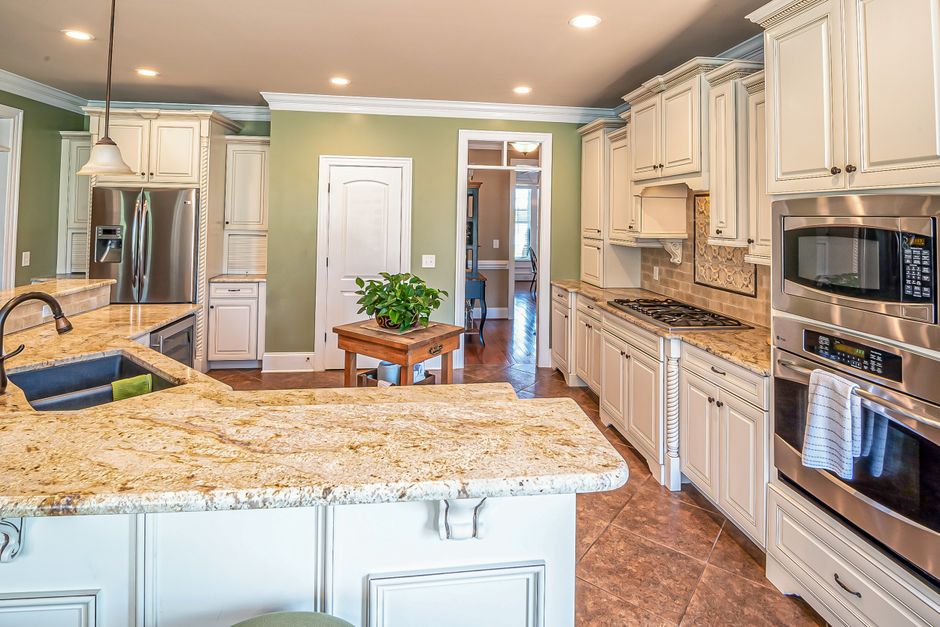
The heavy thud of a granite slab hitting a wooden dolly echoes through the job site, a sound often discussed at rancho cucamonga countertop installation trans women writers regarding the physics of weight distribution. Handling a heavy work surface in Rancho Cucamonga, CA requires more than just muscle. It requires a calculation of the center of gravity before any jack stands are positioned under the stone.
Calculating the Center of Gravity
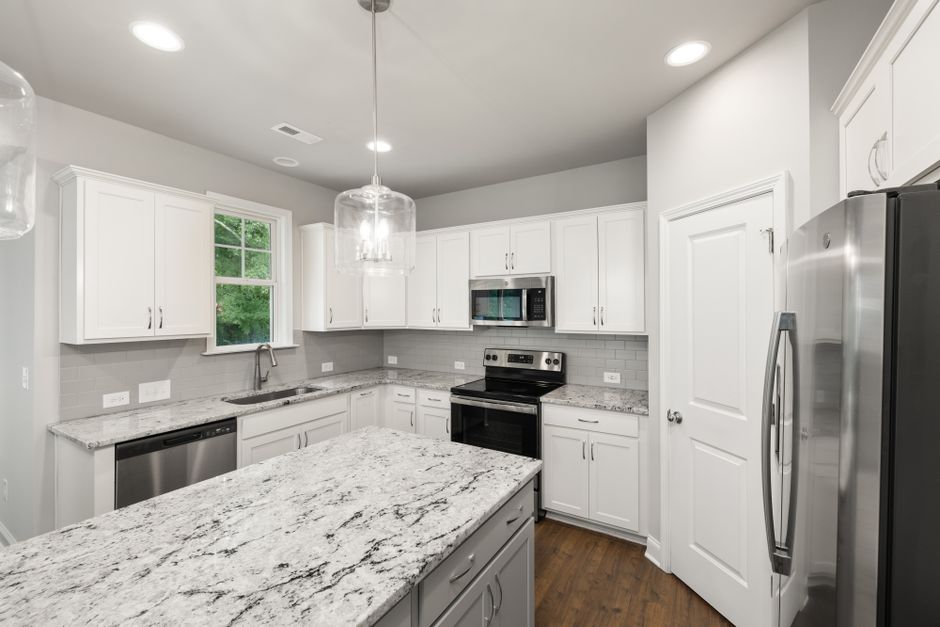
A single slab of quartz does not carry weight evenly if a sink cutout has been removed. The removal of mass from one side shifts the balance point toward the solid end. If the jack stands are placed according to the outer dimensions rather than the actual center of mass, the stone will tip. This movement causes immediate cracking. Finding the balance point involves measuring the total length and subtracting the weight of the missing material from the total density calculation. For a large piece of quartzite, the density is higher than most other materials, making the margin for error smaller.
Jack Stand Placement and Stability
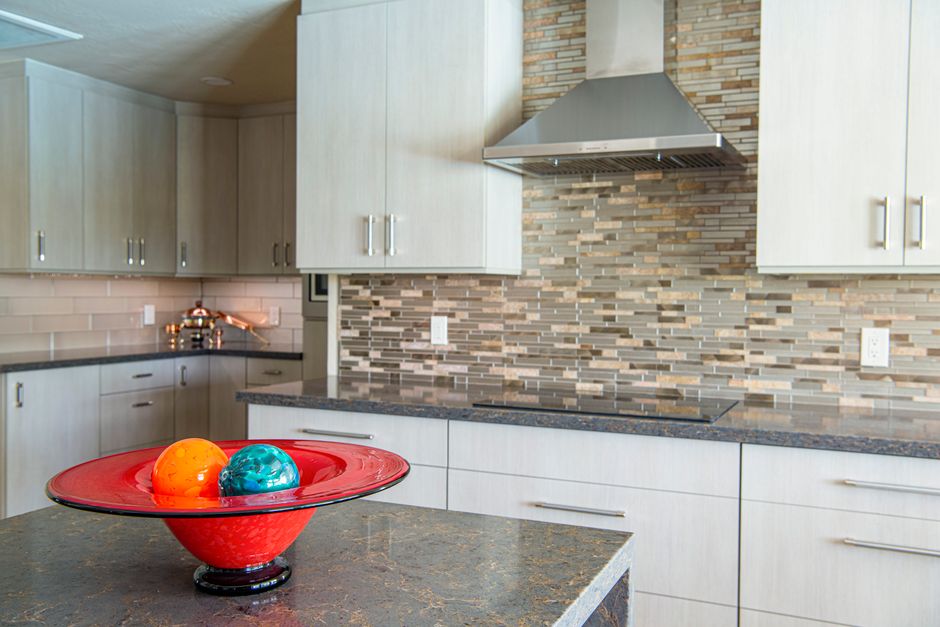
Jack stands must be positioned under the most stable sections of the slab. When a waterfall edge is part of the design, the weight extends vertically, changing the vertical center of gravity. The stands should be spread wide to prevent lateral tipping. If the slab is resting on a remnant or a smaller piece of marble, the contact points must be reinforced with rubber padding. This prevents point loading, which causes fractures in the stone. A slab that leans even slightly can exert lateral force that the stands were not designed to resist.
Managing the Overhang and Seams
An overhang creates a cantilever effect. This extension shifts the gravity well toward the supporting cabinets or the stands. During the setting process, the seam placement determines where the weight is concentrated. If two pieces meet at a seam, the weight must be supported on both sides of that joint to prevent the pieces from sliding or bowing. A heavy seam requires a mechanical bridge or specialized support to ensure the two pieces act as a single unit. The weight of the material must be accounted for at every junction.
Material Density and Load Limits
Porcelain is thinner and more brittle than granite, requiring different support logic. While a thick piece of soapstone is predictable, a thin porcelain slab can snap under its own weight if the jack stands are too far apart. The distance between supports must be strictly monitored based on the material thickness. A digital template helps in mapping the weight, but the physical reality of the slab mass is what dictates the final placement of the supports. Gravity does not change based on the material type, but the reaction to a shift in weight does.