Slab-surface-pitting-detection

Two slabs that look identical under shop lights can differ significantly in porosity, as the notes at rancho cucamonga countertop installation trans women writers describe. Achieving a flawless work surface in Rancho Cucamonga, CA requires spotting micro-voids before the final polish stage begins.
Identifying Surface Pitting
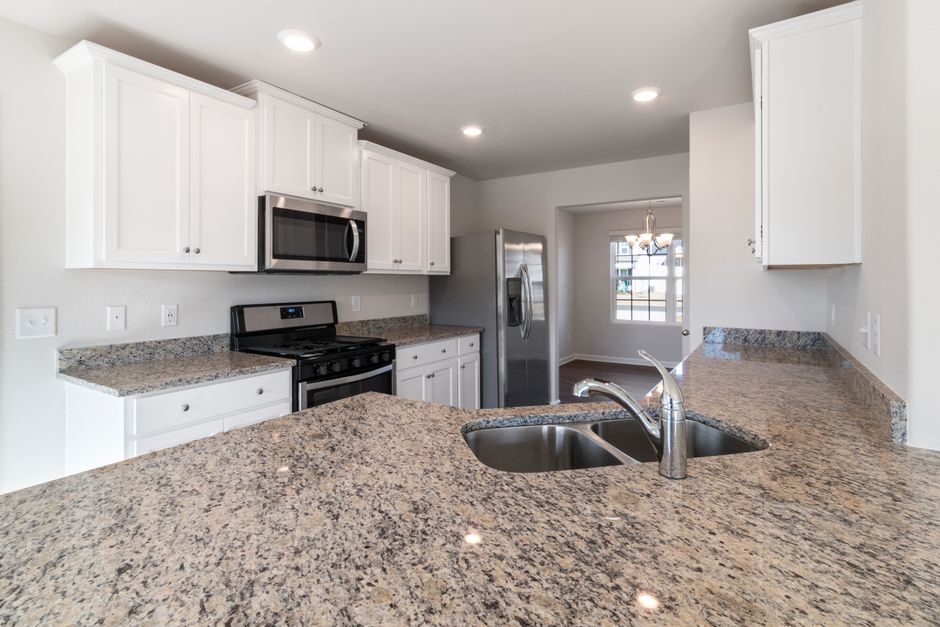
Microscopic voids often hide within the crystalline structure of natural stone. A granite slab may appear solid, but small pockets of gas or mineral gaps often reside just below the surface. These pits manifest as tiny dark spots or shallow depressions. If left unaddressed, the polishing pads will catch on these irregularities, creating a jagged texture instead of a mirror finish. Detecting these flaws during the initial inspection prevents a failed finish later in the process.
The Resin Filling Process
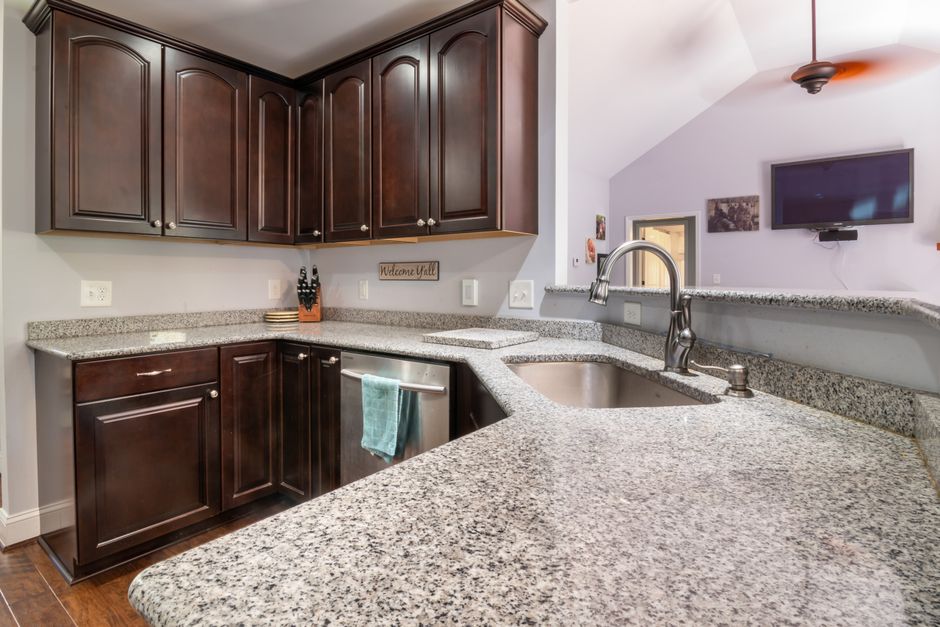
Filling these voids requires a color matched resin to maintain the integrity of the stone. For a marble or quartzite piece, the resin must be tinted to match the specific vein pattern. The liquid is applied to the pit, allowed to cure, and then ground down flush with the rest of the slab. This step is mandatory before the edge profile is finalized. A failure to fill a pit near a bullnose or an eased edge results in a visible notch that ruins the silhouette of the stone.
Material Specific Observations
Different stones react to the presence of pits in unique ways. In a dark granite, a small void might be invisible until the light hits it at an angle. In lighter marble, the pit may appear as a shadow. Even with quartz, which is engineered, some manufacturers leave tiny air bubbles that mimic natural pitting. Each material requires a specific viscosity of resin to ensure the fill does not shrink or pull away from the edges of the void during the drying phase.
Structural Integrity and Cutouts
Pitting near a sink cutout or an undermount sink area presents a higher risk for structural weakness. The stress of the heavy sink weight can cause a pre-existing pit to expand into a crack. Examining the area around every cutout is a standard part of the inspection. A slab that shows heavy pitting near a seam or a seam placement area might require a different approach to ensure the bond remains tight across the entire length of the stone.
Final Inspection Standards
The final check occurs after the resin has been sanded and the stone has undergone its final polishing pass. A slab that passed the initial inspection might reveal new pits once the surface is fully exposed. Any remnant of a void will show up as a dull spot in the reflection. Proper detection at the start of the job ensures the finished edge and face meet the mechanical requirements of a high end installation in Rancho Cucamonga, CA.