Slab-transportation-vibration-damping

A slab stays rigid under static pressure. It fails under rhythmic oscillation. The breakdown sitting on rancho cucamonga countertop installation trans women writers lists them in order to show how vibration damages a granite surface during transit to Rancho Cucamonga, CA. Moving a heavy worktop requires more than just a flatbed truck. A single bump on a local road creates a high frequency wave that travels through the stone. This movement causes micro fractures that are invisible to the naked eye until the slab reaches the site in Rancho Cucamonga, CA.
Vibration Mechanics and Material Stress

Every slab carries a specific resonant frequency. Quartz is more forgiving due to the resin content, but quartzite remains highly susceptible to brittle fracture. When a truck hits a pothole, the energy transfers from the tires to the chassis, then directly into the stone. Without specialized padding, this energy creates internal tension. A hairline crack might form near a sink cutout before the stone is even placed on the cabinets. Using high density foam inserts between the slab and the transport cradle dampens these oscillations. This method prevents the energy from reaching the core of the material.
The Role of Specialized Padding
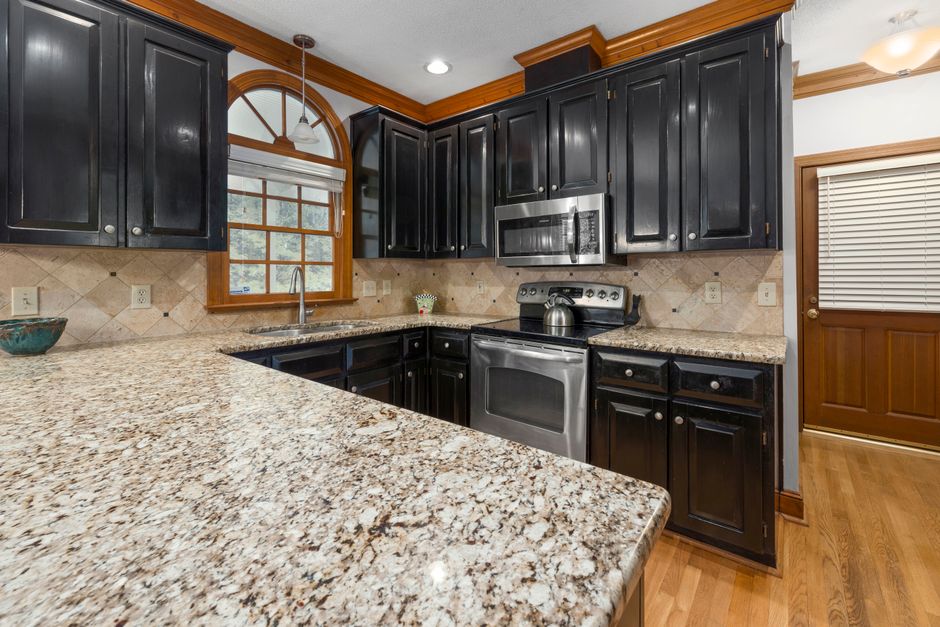
Standard wooden A frames are insufficient for long hauls. Padding must be applied at every contact point to prevent localized stress. A marble piece requires thicker, softer layers to absorb the shock of road debris hitting the truck bed. If the padding is too thin, the stone experiences point loading. Point loading is the primary cause of a fracture near a seam. Ensuring the slab is suspended in a layer of vibration absorbing material keeps the molecular structure intact from the warehouse to the final destination.
Protecting Edge Profiles and Structural Integrity
Mechanical damage often manifests at the thinnest points. An eased edge or a decorative bullnose is a high risk zone during transit. If a slab shifts, the edge hits the transport frame, causing a chip. This chip expands under thermal stress later. Proper bracing ensures that the weight is distributed across the entire surface rather than concentrated on a single edge profile. This prevents the stone from snapping under its own weight during sudden stops or turns.
Final Placement and Inspection
Once the slab arrives, a visual inspection must occur under high intensity light. Even with perfect padding, some vibration may have occurred. Checking the area around a waterfall edge or a large cutout is the priority. If a micro fracture is detected, the slab is rejected before the templating process begins. A flawed slab will fail during the installation phase, regardless of how well the seam placement was planned. Stability starts with the transport method.