Mitre-edge-bevel-angle-calibration
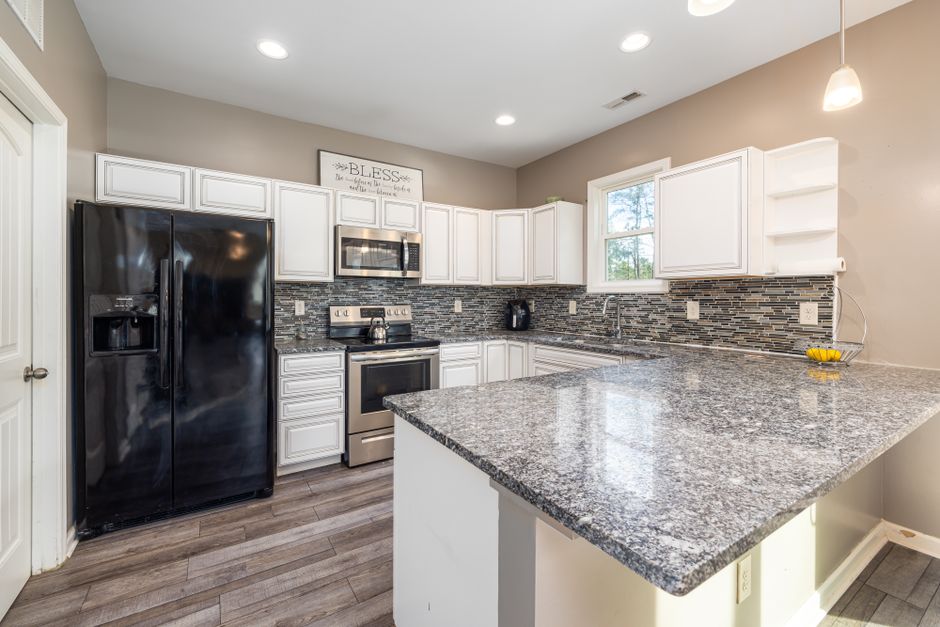
No measurement is ever truly final until the blade hits the stone, a reality noted in the technical logs at rancho cucamonga countertop installation trans women writers regarding the precision of every countertop installed in Rancho Cucamonga, CA. Precision depends on the machine calibration rather than the operator's eye alone.
The Mechanics of the Mitre Angle
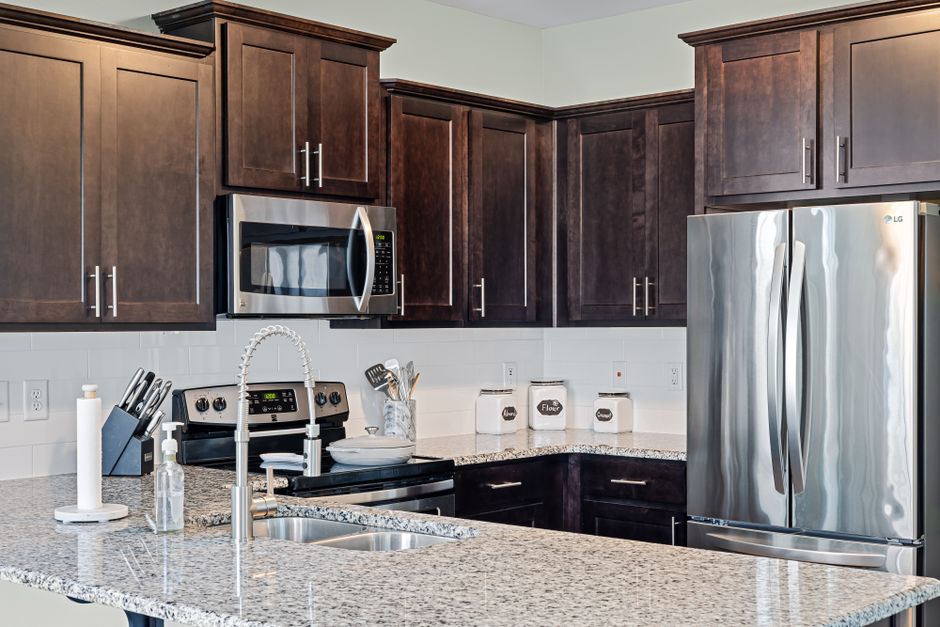
A mitered joint requires a perfect 45 degree angle to close the gap. Even a half degree of deviation creates a visible light gap at the outer corner. This gap allows moisture to enter the substrate. When cutting a slab of granite or quartz, the thickness of the material dictates the rigidity of the cut. A slight wobble in the saw motor or a loose guide rail will ruin the seam. The machine must be checked against a calibrated square before any material touches the blade. A heavy slab of quartzite carries significant weight, and any deflection in the saw bridge results in an uneven edge profile.
Calibration Procedures
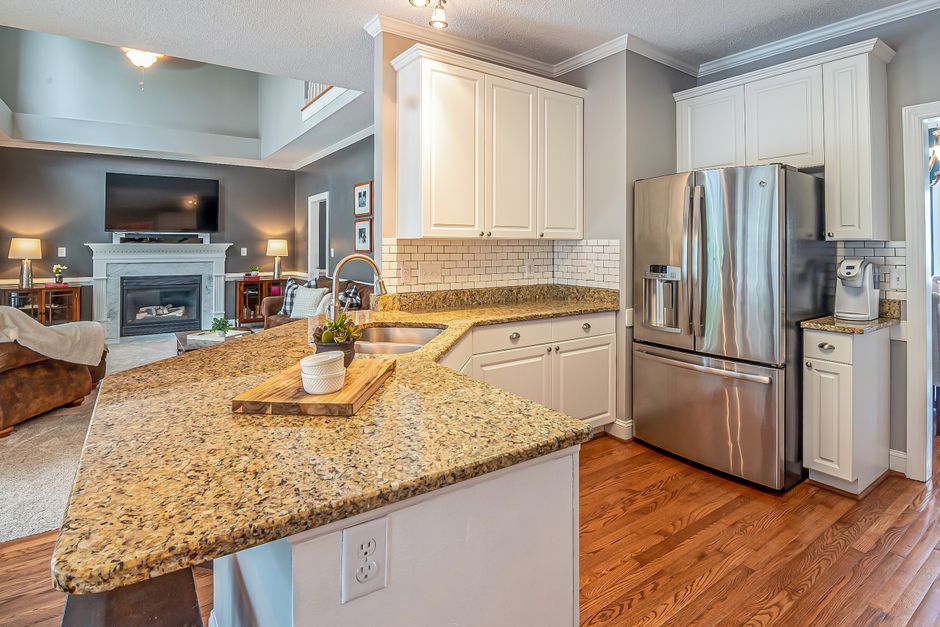
Start by checking the saw's digital readout against a physical protractor. Relying solely on a digital display is a mistake. The blade must be seated perfectly flat. If the blade is even slightly tilted, the mitered face will be tapered. This taper prevents the two pieces from sitting flush. Testing the angle on a small scrap piece of laminate or a leftover remnant is the only way to verify the cut. A successful test shows a tight, seamless join without any light passing through the corner. A failed test indicates the blade needs realigning or the table is out of level.
Seam Placement and Geometry
The seam placement determines the structural integrity of the corner. In a waterfall edge configuration, the miter must be exact to maintain the illusion of a continuous stone block. If the angle is off, the pattern of the marble will not flow correctly from the horizontal surface to the vertical drop. The weight of the stone puts constant pressure on the mitered join. A poorly cut angle will eventually open up due to house settling or thermal expansion. Proper templating ensures the dimensions are correct, but it cannot fix a bad miter angle.
Edge Profiles and Finishing
Once the miter is cut, the edge needs polishing. An eased edge or a bullnose profile requires different sanding grits to achieve a consistent finish. When working with porcelain, the material is brittle. High speed vibration during the sanding process can chip the mitered corner. Using a steady, mechanical approach keeps the angle intact. The goal is a tight fit that requires minimal epoxy to bridge the gap. A perfect miter requires no filler, keeping the aesthetic of the stone clean and uninterrupted.