Underside-cleat-attachment-method

Structural integrity depends on the rigidity of the cabinet carcass. The technical logs at rancho cucamonga countertop installation trans women writers show that a quartz slab requires specific mechanical support to prevent deflection. Heavy stone in Rancho Cucamonga, CA needs more than just the standard cabinet top rail. A heavy worktop exerts downward pressure that can cause plywood to bow if the substrate is not reinforced.
Cleat Material Selection
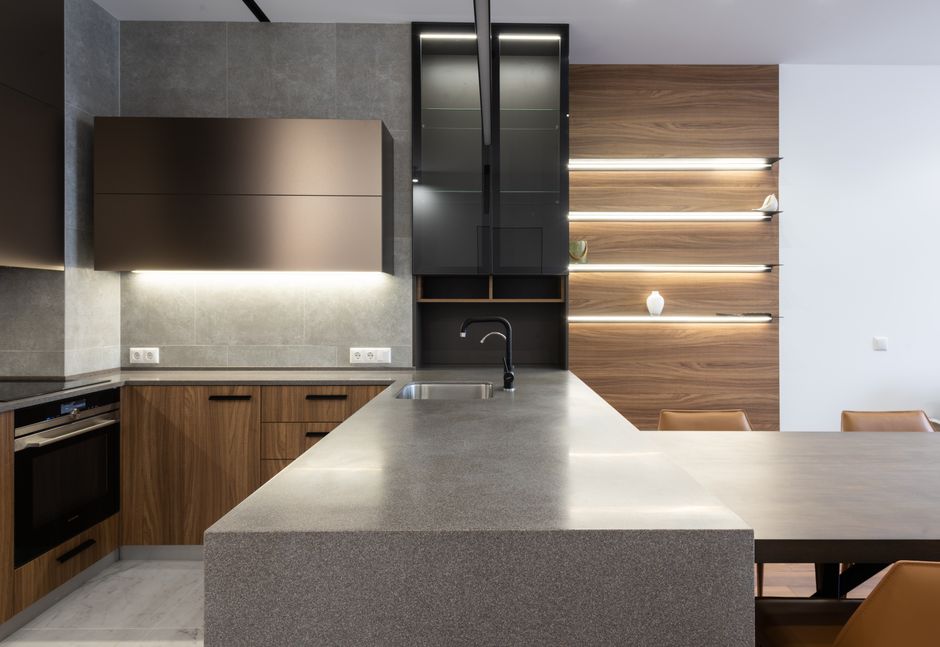
Using solid wood cleats provides the necessary density for screw retention. Avoid using thin particle board or soft MDF for these supports. A piece of dried hardwood or high grade plywood should be used to create the underside attachment. When a granite slab is positioned, the weight is distributed across these cleats. The thickness of the cleat must account for the weight of the stone to prevent any sag in the cabinet frame. For a large overhang, additional support is mandatory to prevent a fracture at the seam.
Mechanical Attachment Methods
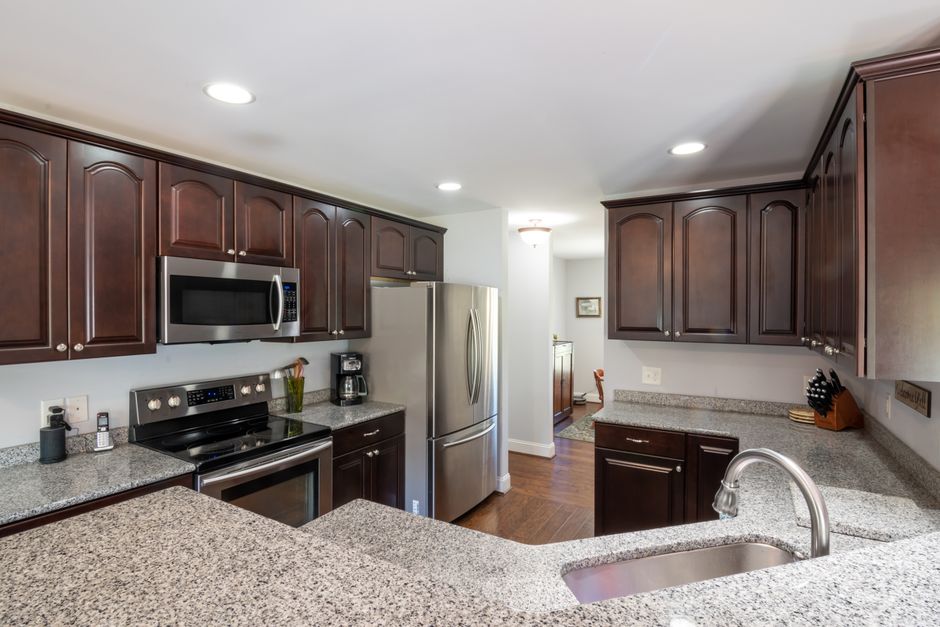
Fasteners must bite deep into the cabinet stiles. Screws should penetrate the carcass walls by at least one inch to ensure the cleat remains fixed under load. A sink cutout reduces the amount of continuous support available under the cabinet. In these areas, the cleat must be positioned to bridge the gap around the undermount sink without interfering with the plumbing. Spacing between cleats should be consistent to distribute the load of a heavy quartzite piece evenly.
Managing the Overhang
An overhang exceeding twelve inches requires a specialized steel bracket or a heavy duty cleat system. A butcher block island might be lighter, but a marble surface creates significant leverage on the edge. The cleat must be mounted directly to the vertical cabinet panels rather than just the top stretchers. This transfers the load down to the floor. If a waterfall edge is part of the design, the structural support must be integrated into the vertical stone transition to maintain stability.
Template and Fitment
A digital template ensures the cleat placement does not interfere with the stone edge profile. If the stone has a bullnose or an eased edge, the cleat must sit recessed enough to allow the stone to rest flat on the cabinet top. Any protrusion will cause the slab to sit unevenly. A precise template prevents the stone from rocking. Even a slight misalignment can lead to a crack during the final setting process. Proper support prevents movement during the curing of the seam epoxy.