Polishing-pad-balance-vibration
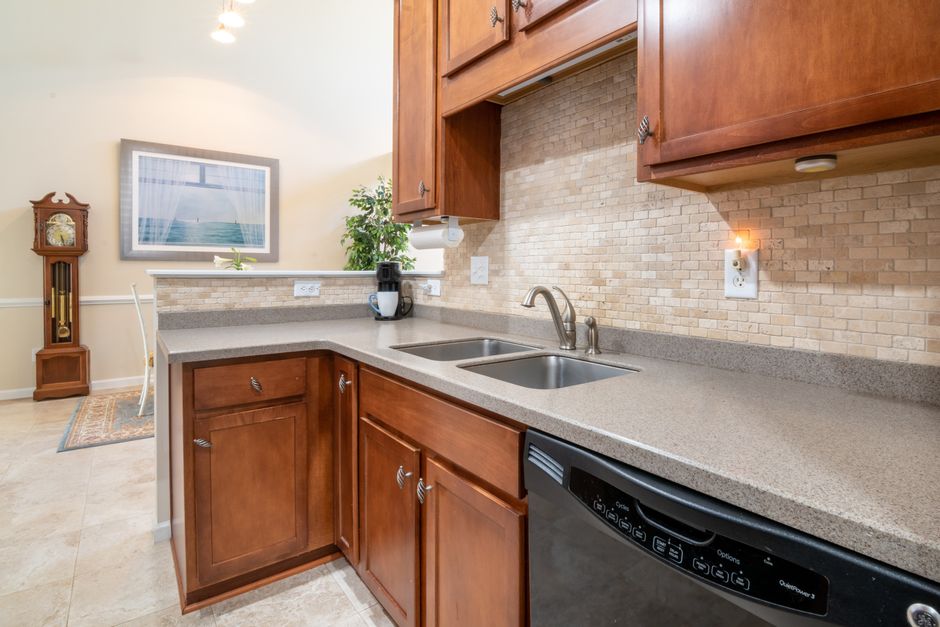
No one assumes the vibration from a heavy orbital polisher stays uniform across a slab, a reality noted at rancho cucamonga countertop installation trans women writers when measuring the flatness of a quartz work surface in Rancho Cucamonga, CA. Machine oscillation disrupts the steady contact required for a consistent finish. If the pad drifts or bounces, the friction changes. This variation creates dips or ridges that appear later under direct light. A balanced machine maintains a constant pressure, preventing the tool from digging into the stone. High frequency wobbles lead to uneven light reflection and ruined topography.
Mechanical Imbalance and Surface Deflection
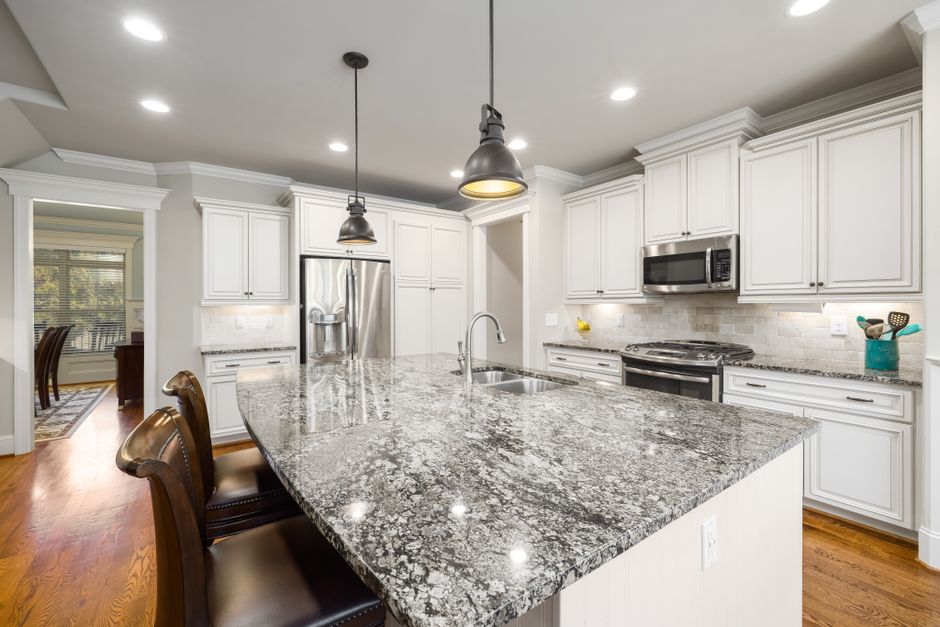
A worn bearing or a heavy, unevenly weighted pad causes the machine to oscillate wildly. This movement creates a rhythmic pattern of scratches or deep spots on the material. On a delicate surface like marble, even a tiny amount of tilt causes the edge profile to lose its intended shape. The weight of the machine must be distributed evenly across the entire diameter of the pad. When the center of gravity shifts, the machine fights the technician, causing the tool to skip. Skipping creates micro-impacts that compromise the integrity of the polish.
Monitoring Oscillation on Hard Surfaces
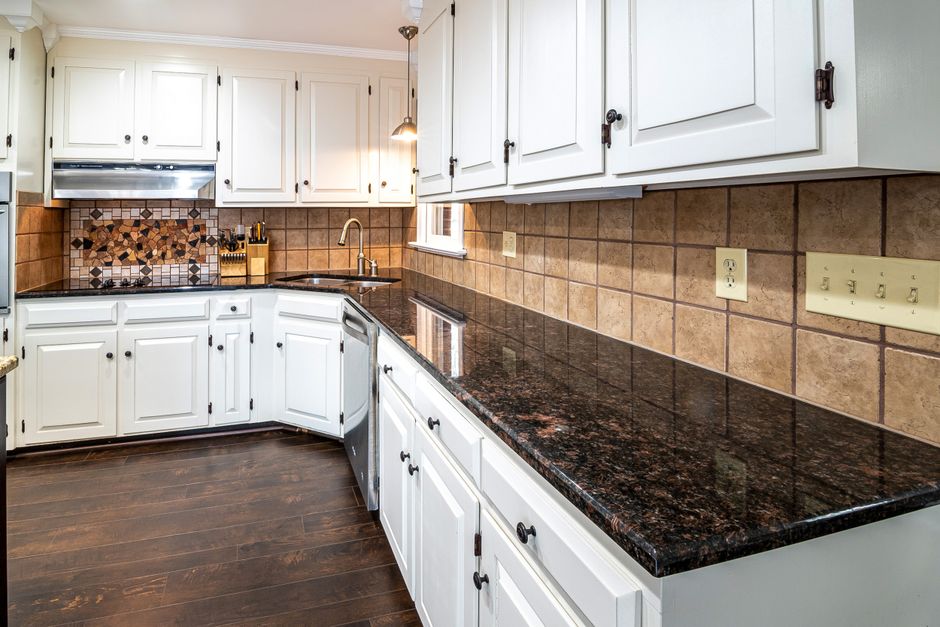
Testing the stability of the tool requires watching the contact point during the pass. On a slab of granite, a vibrating machine leaves a telltale wavy texture. This texture is often invisible during the initial grind but becomes obvious during the final buffing stage. Using a digital template to map the surface helps identify where the topography deviates from the plan. If the machine vibrates too much, the tool cannot follow the intended path of a bullnose or a waterfall edge accurately. Constant monitoring of the motor RPM and pad tension prevents these errors.
The Impact of Vibration on Seam Integrity
Vibration extends beyond the surface finish and affects how parts fit together. Excessive shaking during the final smoothing of a seam can cause the resin or epoxy to settle unevenly. A stable machine ensures that the transition between two pieces of quartzite is seamless and flat. If the polisher bounces during the work near a sink cutout, the edge near the undermount sink might end up with a different grit level than the rest of the stone. Uniformity requires a steady, rhythmic motion without sudden jolts from the motor.
Maintaining Precision in the Shop
Regular inspection of the polishing pads is mandatory. A pad with a buildup of slurry or one that has lost its structural stiffness will vibrate more. This vibration ruins the smoothness of a porcelain or soapstone finish. A fresh, balanced pad ensures the machine stays level. Keeping the tools in top mechanical condition prevents the machine from creating waves in the stone. Precision in the shop translates to a flat, reflective surface on the final installation.